What is a living wage?
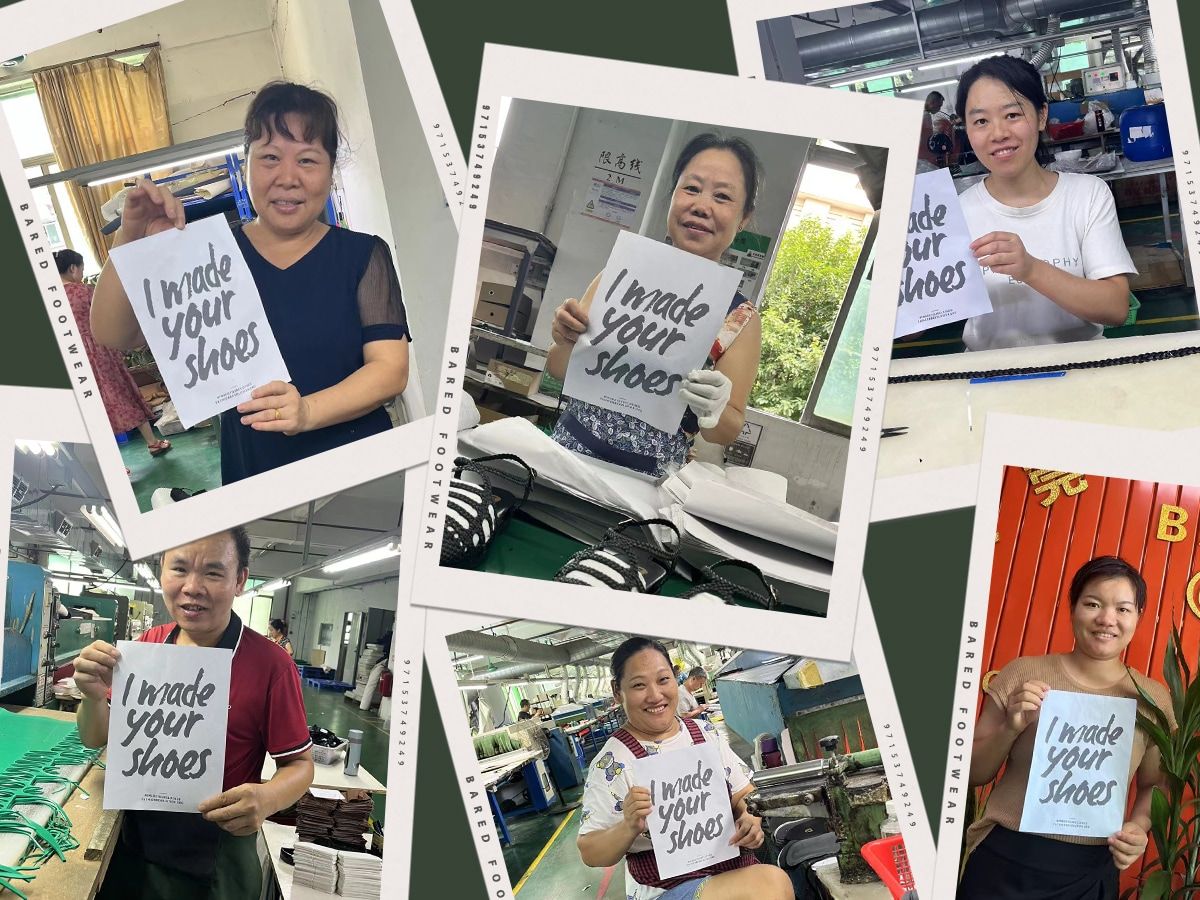
A living wage goes beyond the minimum wage. We recognise that all our employees, and especially our offshore workers, need more than the legal minimum to fairly compensate them for the work they do for us.
According to the Global Living Wage Coalition (GLWC), a living wage is the pay a worker should receive for a standard workweek to ensure they and their family can maintain a decent standard of living. This includes food, water, housing, education, healthcare, transportation, clothing and other essential needs, along with a buffer for unexpected events. Because calculations are based on local costs of living, the specific amount of a living wage will differ between regions.
It is important to understand the difference between a minimum wage and a living wage. A minimum wage is set by the government and is the lowest remuneration employers can legally pay their employees. In many parts of the world, the minimum wage remains well below a living wage.
Our progress so far
Updated December 2025
We believe every worker has the right to fair compensation and a living wage. Bared Footwear commenced Living Wage Audit Program in 2024. We have worked in collaboration with , a global leader in auditing and quality assurance, to tailor this first-of-its-kind program, which takes a holistic, risk-based approach.
In 2025, 84% of our Tier 1 suppliers achieved wages above the living wage level for their workers. The program involves an annual, in-depth audit of overall working conditions, along with regular, detailed spot checks of payroll and wages. Our objective is to ensure that all workers in our supply chain receive a living wage. We have gone beyond standard recommendations and increased auditing to three times per year to ensure we are achieving living wages year-round.
Unfortunately, as reported in the 2024 Baptist World Aid Ethical Fashion Report, 90% of brands reviewed still did not pay workers a living wage at any stage of their supply chain.
Why aren’t 100% of workers paid a living wage?
This figure is not yet 100% primarily because we have not completed living wage audits for some of our smaller, niche suppliers, such as those that produce low volumes of accessories. While these suppliers have not yet been audited by Bared under our Living Wage Audit Program, they have undergone audits completed by recognised third-party providers within the 12 months prior to onboarding. Bared does not engage with any supplier unless they have undergone a prior third-party audit from a recognised external auditor that meets our stringent standards.
Why is Bared focussing on tier 1?
By focusing initially on Tier 1, we ensured that foundational relationships and practices were solidified. This approach allows us to set a strong precedent and create a scalable model that can be extended to subsequent tiers in our supply chain.
Where we are heading
Our next steps involve working closely with the remaining Tier 1 suppliers that have not yet achieved living wages for their workers. We will then extend our Living Wage audits into Tier 2 suppliers, beginning with those that produce the largest share of our components. Each tier introduces a new set of challenges, from varying local regulations to differing operational practices. By methodically expanding our audit reach, we can address these challenges effectively and sustainably.
The Anker Method
At Bared, our definitions of living wages are informed by the Anker Method, a globally recognised approach to calculating a living wage based on thorough research and analysis. This method takes into account essential needs such as food, housing, healthcare, education and other basic necessities, ensuring that wages are sufficient for a decent standard of living. We reference resources published by the Global Living Wage Coalition.